Signs you need this
- Puddles with no obvious source
- A drain that will not keep up
- No hot water, or not enough
- A smell of sewer gas
Kit on the van, and the method
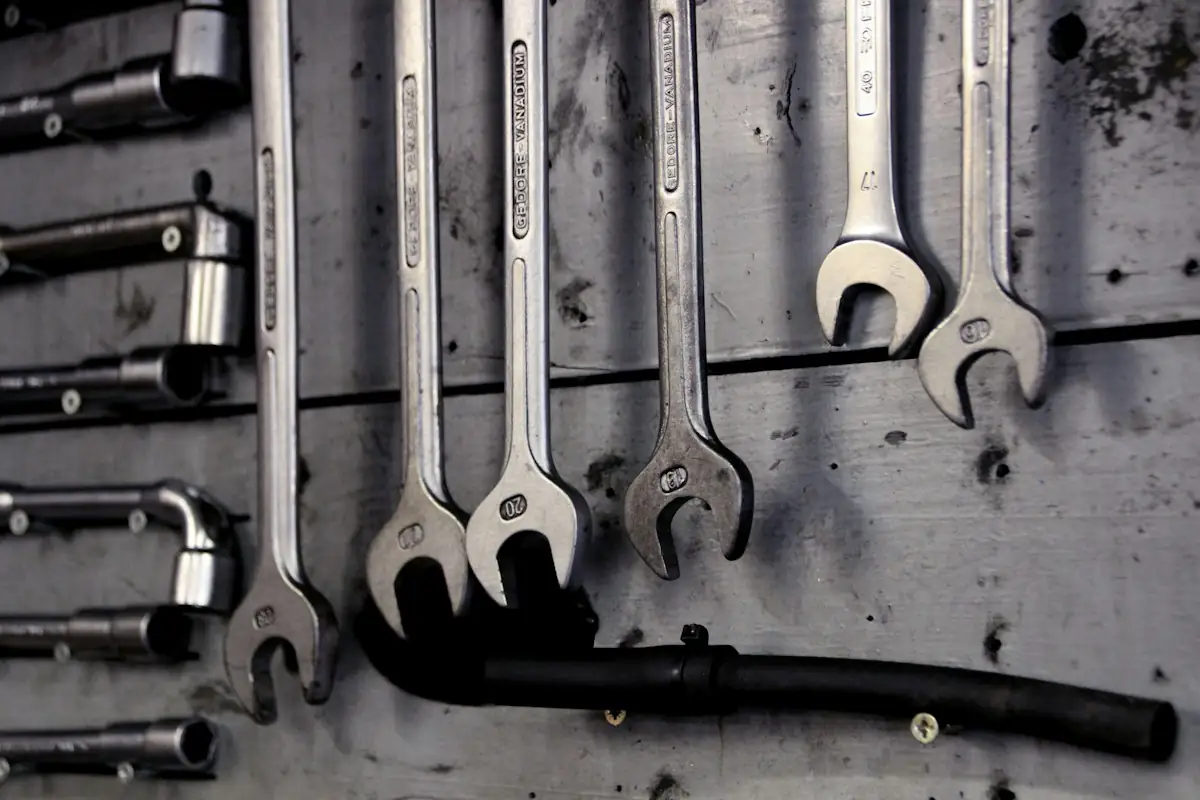
- Pipe and adjustable wrenches
- Cutters for copper, PEX and ABS
- Torch and solder kit
- Inspection light, gauge and drop sheets
Before we leave: Put the system back under pressure and check every joint we touched.
Common gas line jobs
- A gas range replacing an electric one in the kitchen.
- A fixed barbecue feed out on the deck.
- A dryer hookup beside the washer.
- Fireplace inserts and outdoor fire tables.
- Garage heaters.
- A bigger line to feed an on-demand heater.
Sizing the line
Each appliance has a gas rating. Add up the appliances connected to the system and the distance from the meter, and the piping has to be large enough to deliver full pressure to each one at the same time. Undersized lines make burners lazy and can make appliances work poorly. We do the calculation before cutting any pipe.
Materials
Inside the home we generally use black steel pipe or corrugated stainless steel tubing, depending on the route. CSST must be bonded to the electrical grounding system according to the manufacturer and code. Outside, the line runs in approved materials and is protected from damage. Every new appliance gets its own manual shut-off valve within reach.
Testing and tagging
Fresh piping holds test pressure on a gauge before it joins to the system, and every joint is leak-checked with the gas on. We confirm each appliance lights and burns correctly. Ontario's TSSA oversees gas work, and the people doing it must hold the appropriate gas technician certificate. Ask anyone quoting gas work for their certificate details.
Barbecue lines
A permanent barbecue connection removes the propane tank swaps. We run the line out through the wall, mount a quick-connect outlet near the grill location, and include a shut-off. Your barbecue must be rated or converted for natural gas.
Related sheets cover tankless units and gas tank swaps.